Haniquta: A Script Handwritten Typeface for Elegant Branding
I remember the exact moment I realized my small business branding was falling flat. I was sitting at my kitchen table, surrounded by half-printed product labels for my handmade candle line, staring at a generic sans-serif font that just didn’t feel like me. It was functional, sure, but it lacked soul. I wanted my packaging to whisper luxury and grace before a customer even smelled the wax inside. That search led me to discover Haniquta, a script handwritten typeface that completely transformed how I present my brand. If you are a small business owner trying to elevate your visual identity without hiring an expensive design agency, this review is for you.
Why Haniquta Brings Refined Elegance to Product Packaging
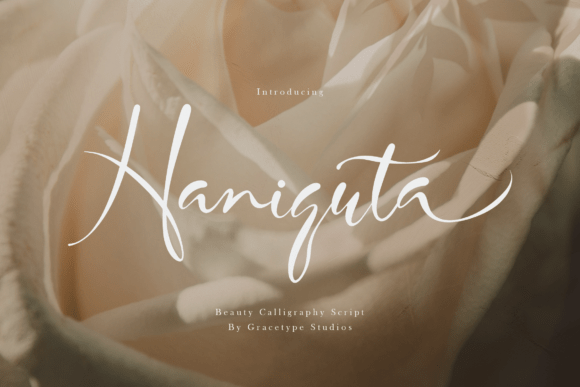
The first thing you notice about Haniquta is its delicate, dancing strokes. Unlike rigid calligraphy or overly casual handwriting fonts, this typeface strikes a perfect balance between artistic flair and legibility. When I applied Haniquta to my candle jar labels, the difference was immediate. The font’s refined elegance gave my simple glass jars a high-end boutique feel. For businesses in the beauty, skincare, or artisanal food sectors, typography is often the first touchpoint of trust. Using a premium font like Haniquta signals that you care about details. It tells your customer that the product inside is crafted with the same level of care as the label itself. This isn't just about aesthetics; it's about perceived value. A well-chosen script font can justify a higher price point because it visually communicates quality and attention to detail.
Haniquta for Wedding Invitations and Event Branding
While I use Haniquta primarily for my retail products, I also recommend it for event planners and wedding designers looking for a breathtaking display of beauty. The font’s graceful curves make it ideal for invitations, save-the-dates, and menu cards. Because it is a script font, it naturally evokes romance and sophistication. However, unlike some elaborate calligraphy fonts that can be difficult to read at smaller sizes, Haniquta maintains enough clarity to ensure your guests can actually read the date and location. When designing digital invites or printed stationery, using Haniquta for the main titles or names creates a focal point that draws the eye. Pairing it with a clean serif font for the logistical details ensures that the design remains balanced and professional. This combination allows you to create a cohesive brand identity for an event that feels both personal and polished.
Enhancing Social Media Graphics and Digital Ads
In the world of online selling, your social media graphics are your storefront. Scrolling through Instagram or Pinterest, users decide whether to engage with a post in a fraction of a second. This is where Haniquta shines as a display font for headlines. I started using it for my Instagram story templates and promotional banners, replacing my usual bold headers with short, elegant phrases written in Haniquta. The result was a more consistent and memorable feed. The font’s unique character helps your brand stand out in a crowded digital landscape. Whether you are announcing a new collection, sharing a behind-the-scenes look, or running a limited-time offer, having a distinctive typeface adds a layer of professionalism. It shows that you have invested time into your brand’s visual language, which builds credibility with potential customers who might otherwise scroll past.
Best Practices for Using Script Handwritten Fonts on Labels
One common mistake I see small business owners make is overusing decorative fonts. While Haniquta is stunning, it works best when used strategically. For product labels, I recommend using Haniquta for the brand name or key product titles, while keeping ingredient lists, descriptions, and legal text in a highly readable sans serif font. This contrast not only looks stylish but also ensures compliance and clarity. When printing on small surfaces like stickers or tags, test your font size carefully. The delicate strokes of Haniquta can lose definition if printed too small or at low resolution. Always check the file formats included with the font—ensuring you have high-quality vector files (like .OTF or .TTF) will guarantee crisp prints on packaging materials. Additionally, consider the color palette. Haniquta looks particularly striking in gold foil, matte black, or deep navy against cream backgrounds, enhancing its airy and light personality.
Font Pairing and Commercial Licensing Considerations
To get the most out of Haniquta, thoughtful font pairing is essential. Since Haniquta is a creative font with strong personality, it needs a neutral partner to ground the design. I typically pair it with a modern sans serif font for body text, which provides a clean backdrop that lets the script take center stage. You can also experiment with elegant serif fonts for a more classic, editorial look. Before finalizing your designs, always review the commercial license. As a small business owner, you need to ensure you are allowed to use the font on physical products, merchandise, and digital downloads. Most high-quality typefaces come with clear guidelines on how many end-products you can produce. Understanding these terms protects your business from legal issues and allows you to scale your operations with confidence. By choosing Haniquta, you are investing in a versatile tool that can grow with your brand, from initial mockups to mass-produced packaging.
Final Thoughts on Elevating Your Brand Identity
Upgrading your typography doesn't require a complete redesign of your entire business. Sometimes, all it takes is swapping out a generic font for something with character and intent. Haniquta offers that transformation effortlessly. Its ability to convey grace and refinement makes it an invaluable asset for any brand looking to connect emotionally with its audience. Whether you are updating thank-you cards, refreshing your online shop banner, or creating new product tags, this typeface adds a layer of polish that resonates with customers. Take the time to experiment with different weights and pairings, and watch as your brand begins to tell a more compelling story. In a market where first impressions matter, letting your typography speak volumes is a smart, strategic move for long-term success.