Lonely Moon Typeface for Handcrafted Brand Identity
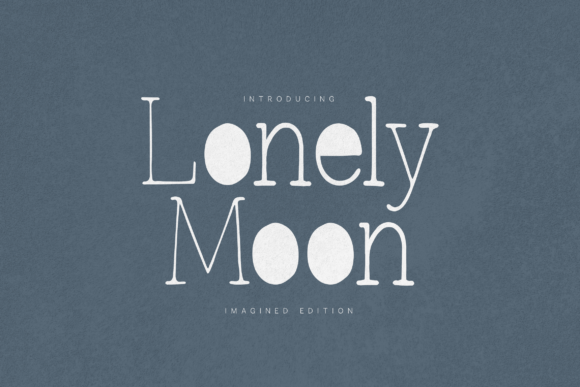
The coffee shop was quiet, save for the hum of the espresso machine and the scratch of my stylus against the tablet. I had spent the last three hours staring at a blank artboard, trying to find the right visual voice for a new artisanal skincare brand. The brief was simple but demanding: evoke intimacy, emphasize natural ingredients, and feel distinctly handcrafted without looking amateurish. Most display fonts felt too rigid, too corporate, or perhaps too aggressively trendy. Then I opened the folder for Lonely Moon. It wasn’t just another serif; it was an atmosphere. From the moment I dragged it onto the canvas, the entire mood of the project shifted. This is how I tested Lonely Moon, a distinctive display serif typeface inspired by quiet evenings, poetic storytelling, handcrafted design, and the beauty of imperfect forms. Combining delicate serif structures with a modern sensibility, it became the anchor for a complete brand identity that finally felt alive.
Lonely Moon for Boutique Skincare Packaging Design
When designing packaging for luxury goods, every millimeter of space matters, and the font must carry weight without shouting. I placed Lonely Moon on a mockup for a small-batch face oil bottle. The challenge was balancing legibility with elegance. Because this typeface is classified as a Display font, it demands attention, yet its delicate strokes allowed it to sit gracefully alongside minimalist line-art illustrations of botanical elements. The "beauty of imperfect forms" mentioned in its description translated perfectly into the tactile feel of the label. When printed on textured, uncoated paper stock, the slight irregularities in the letterforms caught the light, reinforcing the handmade narrative of the product. For brands selling physical goods, using a creative font like this helps differentiate from mass-market competitors who rely on clean, sterile sans-serifs. It signals to the customer that care has been taken in the creation process.
Lonely Moon in Editorial Layouts and Magazine Headers
Beyond product packaging, I needed a strong typographic presence for the brand’s digital editorial content. I tested Lonely Moon as a headline font for a long-form blog post about ingredient sourcing. In editorial design, hierarchy is everything. The font’s high contrast between thick and thin strokes creates an immediate visual rhythm that guides the reader’s eye down the page. Unlike standard serif fonts that can blend into the background when used in large sizes, Lonely Moon commands respect. It works exceptionally well for pull quotes and section headers, adding a layer of sophistication that elevates the perceived value of the content. However, I quickly learned that it is not suited for body text. Its decorative nature makes it fatiguing to read in paragraphs. Instead, I paired it with a neutral, highly readable sans-serif for the main copy, creating a dynamic tension between the poetic headline and the practical information below.
Lonely Moon for Wedding Invitations and Elegant Branding
While the primary client was a skincare startup, the versatility of this typeface immediately sparked ideas for other verticals. I ran a quick test on a wedding invitation suite, applying Lonely Moon to the couple’s names. The result was strikingly romantic. The font’s inspiration from "quiet evenings" gave it a soft, intimate quality that feels personal rather than formal. For couples seeking a non-traditional, artistic aesthetic, this serif offers a middle ground between strict classicism and chaotic script fonts. It retains structure while feeling organic. This adaptability makes it a valuable asset for freelance designers working across multiple niches. Whether you are crafting a logo for a boutique hotel or designing stationery for a creative studio, the font’s personality allows it to convey trustworthiness and artistry simultaneously. It proves that a well-designed display typeface can transcend its original intended use.
Lonely Moon Social Media Graphics and Digital Presence
In the age of social media, your brand identity must work at thumbnail size. I exported several Instagram post templates featuring Lonely Moon set against muted, earthy backgrounds. The key here was spacing. Because the font has such distinct character, generous tracking (letter-spacing) was essential to let the letters breathe. When compressed too tightly, the delicate serifs could merge visually on smaller screens. By giving the text room to expand, the font maintained its airy, poetic feel even on a mobile device. I also tested it on a website hero banner. Here, the font served as the primary hook, drawing users in before they scrolled past. For digital marketing, using a unique commercial font like this helps build instant recognition. Users scrolling through their feeds are conditioned to ignore generic typography; a distinctive serif stops the scroll. It suggests that the brand behind the image is curated and thoughtful.
Font Pairing Strategies with Lonely Moon
One of the most critical steps in integrating Lonely Moon into a full brand system is choosing the right companion typeface. Since Lonely Moon is a display serif with strong personality, it needs a partner that is humble and functional. I found that pairing it with a geometric sans-serif created a modern, balanced look suitable for tech-forward lifestyle brands. Alternatively, combining it with a humanist sans-serif softened the overall aesthetic, making the brand feel more approachable and friendly. Avoid pairing it with other ornate scripts or heavy blackletter fonts, as this creates visual clutter. The goal is to let Lonely Moon shine as the protagonist while the secondary font handles the logistics of communication. Testing these combinations in grayscale first helps ensure that the hierarchy remains clear regardless of color treatment.
Technical Considerations for Commercial Use
Before finalizing the design assets, I reviewed the technical specifications of the font files. A premium typeface should offer robust support for various languages and character sets, especially if the brand plans to operate internationally. Checking for included styles, alternates, and ligatures is crucial for adding polish to the design. For instance, specific ligature options can enhance the flow of words containing common letter pairs, adding a subtle touch of professionalism. Furthermore, verifying the commercial licensing terms ensures that the font can be used across all required mediums, from web embedding to print production. Understanding the file formats available—such as OTF, TTF, and WOFF2—allows for seamless integration into different design software and development environments. Investing time in these details prevents legal issues and technical glitches later in the project lifecycle.
Lonely Moon for Local Restaurant and Café Branding
I also explored how Lonely Moon would perform in the hospitality sector. Imagining a cozy, independent café, I designed a menu cover and window signage mockup. The font’s connection to "poetic storytelling" resonated deeply with the concept of a place where people come to slow down and enjoy a moment. On a chalkboard-style menu, the font looked authentically hand-lettered, yet with the precision of digital design. For restaurant branding, readability is paramount, so I reserved Lonely Moon for the header of each dish category, using a simpler font for the descriptions. This approach created a welcoming atmosphere without sacrificing clarity. It demonstrates that even niche display fonts can be adapted for functional spaces if applied with restraint and strategic placement.
Final Integration into Brand Guidelines
The journey from a single font selection to a cohesive brand identity requires rigorous testing. I compiled all the mockups—packaging, digital posts, logos, and editorial layouts—into a comprehensive brand guideline document. Lonely Moon was established as the primary display font, with clear rules regarding its minimum size, color usage, and pairing restrictions. This documentation ensures consistency whenever new materials are produced. For entrepreneurs and small business owners, having these guidelines simplifies future design decisions. It transforms a subjective choice into a strategic asset. By anchoring the brand in a typeface that embodies its core values—intimacy, craftsmanship, and elegance—the visual identity becomes a powerful tool for communication. The result was not just a pretty logo, but a complete sensory experience that aligned perfectly with the brand’s promise.