Stacie Display Typeface Review for Campaign Design
The campaign brief landed in my inbox at 4:30 PM on a Tuesday. We were launching a limited-edition artisanal candle line, and the creative direction was clear: elegant, organic, and distinctly premium. The challenge wasn’t just finding a font that looked good; it was finding one that could command attention on a mobile screen while maintaining an air of sophisticated luxury. That is when I pulled Stacie from our asset library. As a marketing designer who spends half my day tweaking kerning and the other half worrying about click-through rates, I don’t have time to experiment with obscure typefaces that might break a layout. I needed something that would work immediately, look intentional, and elevate the brand without shouting. Stacie delivered exactly that.
Stacie for Social Media Graphics and Instagram Posts
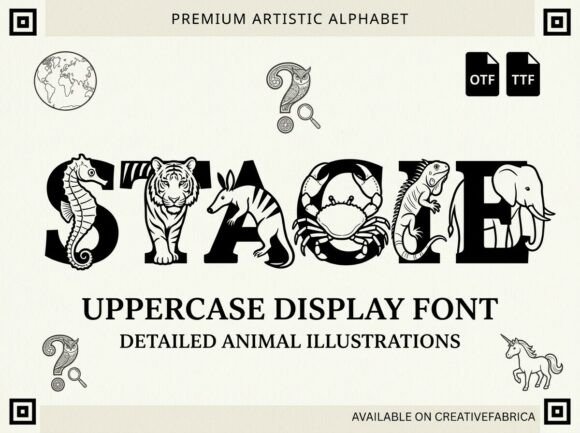
When you open your social media management tool and start building a carousel for Stacie, you immediately notice how this Decorative typeface handles hierarchy. In the world of Instagram posts, where users scroll past dozens of images in seconds, your typography needs to act as a visual anchor. Stacie’s artistic uppercase display style merges classic typography with subtle, organic flourishes that mimic natural forms—details that align perfectly with the "beauty of the animal kingdom" inspiration mentioned in its design ethos. This isn’t just a bold sans serif; it has character. When I used Stacie for our product teaser captions, it provided enough visual weight to stop the scroll but retained enough elegance to feel high-end rather than cheap or cluttered. It performs exceptionally well on image overlays, ensuring that your message clarity remains intact even when the background photography is busy or textured. For content creators looking to add a touch of editorial flair to their feed, Stacie offers a unique personality that stands out against the sea of generic geometric fonts.
Stacie for YouTube Thumbnails and Video Covers
One of the most critical real estate in digital marketing is the YouTube thumbnail. If your text doesn’t read clearly at a glance, your video gets skipped. Testing Stacie for a series of educational video covers revealed its strength in short headlines. Because it is a display font, it is not designed for long copy, but it excels as a logo-style text element or a primary callout. I found that using Stacie for the main subject of the thumbnail—such as "NEW COLLECTION" or "TOP TIPS"—created an immediate first impression of quality. The uppercase structure ensures legibility across different devices, from large desktop monitors to small smartphone screens. However, there are limitations. You cannot use Stacie for dense information or subtitles. It works best when paired with a clean sans serif font for secondary details like dates or channel names. This contrast creates a modern typography system that guides the viewer’s eye: the decorative font grabs attention, and the functional font delivers the facts. For YouTubers and advertisers aiming for high engagement, this pairing strategy significantly boosts brand recognition and visual consistency.
Stacie for Digital Ads and Landing Page Headers
In paid advertising, every pixel counts toward conversion. When setting up a digital ad layout or a landing page header, the goal is to communicate value instantly. Stacie brings a premium font aesthetic that suggests exclusivity, making it ideal for seasonal sales, webinar banners, or online shop promotions. I tested it on a dark background for a holiday sale banner, and the negative space around the letters allowed the artistic details to breathe. The font’s ability to merge classic elegance with contemporary appeal makes it versatile for various niches, from beauty brands to lifestyle blogs. When designing these assets, it is crucial to remember that Stacie is a creative font meant for impact, not readability at small sizes. Therefore, it should be reserved for hero sections or prominent call-to-action buttons. Avoid using it for body text or legal disclaimers. By keeping the usage strategic, you ensure that the audience engagement remains high because the design feels intentional and polished, rather than chaotic. This approach aligns with best practices in web design and packaging design, where typography plays a pivotal role in establishing brand identity.
Stacie for Pinterest Pins and Editorial Content
Pinterest is a visual search engine, and pins need to look like high-quality editorial content to perform well. Stacie fits seamlessly into this environment. Its organic influences make it particularly effective for lifestyle campaigns, home decor promotions, or fashion lookbooks. When creating a Pinterest pin, I often use Stacie for the main title overlaid on a minimalist background. The result is a graphic that feels like a magazine cover rather than a cheap advertisement. This distinction matters because Pinterest users are often in a discovery mindset, looking for inspiration. A font that looks too commercial can trigger ad blindness, whereas Stacie’s artistic nuance invites closer inspection. For bloggers and entrepreneurs, this means higher save rates and more traffic to your website. Additionally, Stacie works beautifully in branded template packs. If you offer downloadable resources or digital products, including Stacie in your design assets adds significant perceived value. It signals to your customers that you care about detail and quality, which fosters trust and encourages repeat business.
Practical Font Pairing and Licensing Considerations
To get the most out of Stacie, you must understand its role within a broader design system. It is not a standalone solution for all your typographic needs. The most effective strategy is to pair Stacie with a neutral, highly readable typeface. A clean sans serif font works best for supporting text, such as descriptions, pricing, or contact information. This combination balances the decorative nature of Stacie with the functional requirements of communication. Before deploying Stacie in client campaigns, merchandise, or digital products, always check the included styles, alternates, ligatures, weights, and file formats. Ensure you have the correct commercial font licensing for your specific use case, whether it is for ads, templates, or branded content. Also, verify multilingual support if your audience is global. While Stacie is a powerful tool for enhancing visual hierarchy and message clarity, it requires respect for its limitations. Use it for short headlines, decorative titles, and display text. Avoid it for long-form articles, formal corporate communication, or tiny text elements. By adhering to these guidelines, you ensure that your designs remain professional, accessible, and effective. Stacie is not just a font; it is a strategic asset that can transform ordinary graphics into compelling visual stories.
Final Implementation Tips for Campaign Designers
As we wrap up this review of Stacie, it is worth reiterating that typography is the voice of your brand. Using Stacie allows you to speak with confidence and elegance. Whether you are designing a product launch graphic, a YouTube thumbnail set, or an email promotion, this Fonts category staple provides the artistic lift needed to differentiate your content. Remember to test your designs in real-world conditions. Preview your graphics on mobile devices, check contrast ratios, and ensure that the text does not compete with imagery. If you find that Stacie feels too heavy for a specific project, try reducing its size or increasing the letter spacing to create a more airy, sophisticated look. Conversely, for maximum impact, use it large and bold against solid colors. The key is experimentation within the bounds of good design principles. By integrating Stacie thoughtfully into your workflow, you enhance the overall aesthetic of your campaigns, leading to better audience engagement and stronger brand recall. It is a smart choice for marketers who want their designs to stand out in a crowded digital landscape.