Timber Woodgrain Font for Makers and Designers
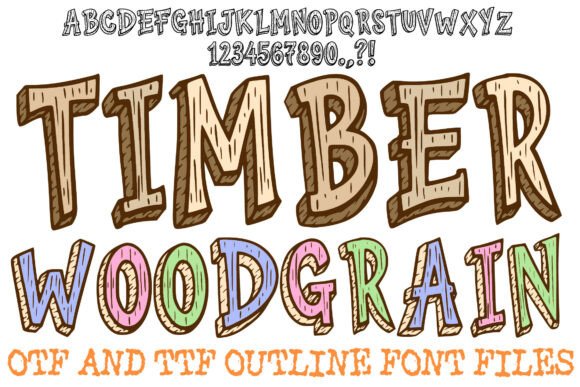
As a web designer who frequently works with handmade shops and print-on-demand clients, I’m always on the lookout for fonts that bring character to digital and physical products. Recently, I had the chance to test Timber Woodgrain, a hand-drawn display font with chunky, 3D block characters that are meticulously textured. It’s not your average Decorative Fonts option—it feels like it was carved directly from the forest floor. The name alone hints at its charm, but when you actually use it in real design scenarios, the personality of this typeface truly shines.
Timber Woodgrain for Candle Labels and Natural Branding
I started by using Timber Woodgrain on candle labels for a client selling natural soy candles. The goal was to create something that felt organic and earthy without being too rustic or hard to read. The first thing I noticed was how well the woodgrain texture mimics real materials—especially when layered over subtle gradients or background textures. It didn’t just look good; it felt good, like the label itself was part of the product rather than an afterthought.
When printed on kraft paper or matte cardstock, the font adds a tactile illusion of depth and warmth. Even though it’s digital, it has a physical presence. For short phrases like “Scented Soy Candle” or a brand tagline like “Nature in Every Drop,” Timber Woodgrain worked beautifully. Its bold, block-like structure made it easy to cut on my Cricut, and the texture helped differentiate the label from more generic options in their shop listing.
Timber Woodgrain on Wedding Invitations and Welcome Boards
Next up, I tested Timber Woodgrain on a set of wedding invitations. The couple wanted something unique yet elegant for their woodland-themed wedding. While some might think a heavily textured Decorative Font would clash with the refined details of stationery, I found that it added a charming contrast when paired with a clean sans serif font for supporting text.
The main title on the invitation, “Join Us Under the Trees,” used Timber Woodgrain in all caps. It gave the design a sense of authenticity and visual weight that stood out in both digital previews and mockup images. For the welcome board, I created a layered SVG with the font as the headline and a simple script font for the body copy. The result was a cohesive, rustic-chic feel that perfectly matched the theme.
Timber Woodgrain in Farmhouse Signs and Seasonal Decor
Farmhouse signs are one of those projects where a strong, stylized Decorative Font can really elevate the overall vibe. I designed a few mockups for holiday and seasonal farmhouse signs using Timber Woodgrain. Phrases like “Welcome Home” or “Merry Christmas” took on a new life with the font’s natural grain and three-dimensional look.
One challenge I encountered was ensuring legibility in smaller sizes. Because of its texture and weight, Timber Woodgrain isn’t ideal for tiny lettering. But when used at a reasonable size—say, 48pt or larger—it looks stunning. I also recommend using it sparingly in long paragraphs. Instead, let it shine on headlines, titles, and key phrases where impact matters most.
Timber Woodgrain for Boutique Packaging and Product Tags
A boutique packaging project is where Timber Woodgrain really came into its own. I used it on tags for gift boxes, fabric wraps, and reusable burlap bags. The font added a layer of craftsmanship to the designs, making them feel like they belonged in a high-end artisan store.
For digital printables, such as downloadable tags for customers to print themselves, I made sure to check the font’s file formats and included styles. The package offered multiple weights and alternates, which allowed me to customize the look slightly across different tags while keeping the brand identity consistent. It’s important to note that if you’re planning to sell these templates commercially, you’ll want to verify the font’s licensing to ensure it supports commercial use.
Timber Woodgrain in Digital Wall Art and Planner Pages
I also experimented with using Timber Woodgrain in printable wall art and planner pages. In both cases, the font’s texture became a design asset rather than a limitation. For wall art featuring quotes like “Live Simply” or “Breathe Deep,” the font’s 3D block style gave the piece a dimensional quality that made it pop against muted backgrounds.
In planner pages, I used it for section headers and decorative elements. Since the font is meant for display purposes, it wasn’t appropriate for dense content areas, but it worked great for call-out boxes and themed spreads. It’s perfect for adding a little whimsy or a touch of nature to digital downloads without overwhelming the layout.
Timber Woodgrain for Tote Bags, Shirts, and Merchandise
Merchandise designs often require a balance between visibility and aesthetic appeal. When I tried Timber Woodgrain on tote bags and shirts, I was impressed by how it maintained its charm even when scaled down. Of course, there are limits—very small cuts on heat transfer vinyl didn’t render cleanly—but for standard-sized prints (like a 200x200px graphic), the font held up nicely.
Its hand-drawn feel gives the impression of being crafted by someone who loves nature and simplicity. That kind of emotional appeal is huge for branding. Whether it’s a shirt with “Forest Days” or a tote bag reading “Wild & Free,” the font makes the message feel personal and intentional.
Timber Woodgrain in Shop Listings and Mockup Previews
If you’re an Etsy seller or run a digital shop, presentation is everything. I used Timber Woodgrain in several shop listing mockups, including candle jars, greeting cards, and stickers. The font’s texture added a level of sophistication that made the products stand out among competitors using flat or overly modern Fonts.
What I especially loved was how it played well in preview images. The grain detail catches light differently depending on the background, creating a dynamic visual effect that’s engaging on social media and shop listings alike. Just be mindful of color choices—lighter tones work best to highlight the woodgrain effect without losing clarity.
Pairing Timber Woodgrain with Other Fonts
While Timber Woodgrain is bold and expressive on its own, pairing it with complementary Fonts can enhance your designs. I’ve successfully combined it with:
- Clean sans serif fonts for readability in supporting text
- Simple serif fonts for a balanced contrast in editorial layouts
- Script or handwritten fonts for a softer, romantic touch in wedding designs
- Bold display fonts for high-impact signage and posters
Each combination brought out a different side of Timber Woodgrain, proving its versatility within a broader typographic palette. Always test pairings in context, though. Sometimes a font that looks great on screen doesn’t translate well in print or on certain materials.
Final Thoughts on Using Timber Woodgrain in Real Projects
After testing Timber Woodgrain across various platforms and products, I can confidently say it’s a standout Decorative Font for makers looking to add a natural, handcrafted feel to their designs. From candle labels to digital templates, this typeface brings a sense of authenticity and artistic flair that’s hard to replicate with other Fonts.
Just remember: it’s a display font, so keep it for headlines, logos, and short impactful statements. Check the licensing before selling any product that uses it, and always consider how it will look on your final material—whether digital or physical.
So if you're designing anything that needs a little more soul, a little more texture, and a whole lot of charm, give Timber Woodgrain a try. You might just find yourself reaching for it again and again.