Baseform Bold Condensed Sans Serif Typeface for Digital Branding
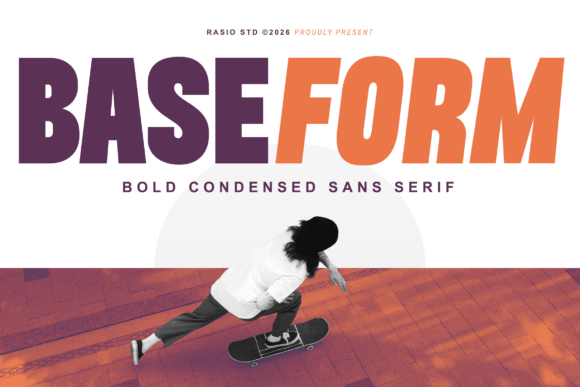
I was staring at a blank hero section on a client’s product landing page, frustrated by the lack of visual punch. The layout was clean, but it felt flat. We needed something that could command attention without breaking the mobile viewport. That was when I decided to test Baseform, a bold condensed sans serif display typeface built with strong vertical proportions, compact letterforms, and confident geometric structure. The design features tight spacing, heavy stroke weights, and an undeniable presence. Within minutes of dropping it into the headline area, the entire mood of the page shifted from generic to premium.
This wasn’t just about picking a "cool" font; it was about solving a specific UI problem. When you are designing for screens where horizontal space is limited, especially on mobile devices, standard wide fonts often force awkward line breaks or require text that is too small to read comfortably. Baseform solved this instantly. Its condensed nature allows for larger, more impactful headlines that fit neatly within constrained columns, making it an ideal choice for modern web design projects that prioritize both aesthetics and functionality.
Why Baseform Works for High-Impact Web Headers
The primary reason I integrated Baseform into this project was its ability to establish immediate visual hierarchy. In digital marketing and web design, you have seconds to capture a visitor's interest. A standard sans serif font might blend into the background, but a display font with the characteristics of Baseform acts as a visual anchor. The heavy stroke weight provides excellent contrast against light backgrounds, while the tight spacing ensures that the letters feel connected and unified, rather than scattered.
When testing this font in a real-world scenario, I noticed how it handled short phrases. For call-to-action areas and subheadings, the condensed form allows us to pack more information into a smaller footprint without sacrificing legibility. This is crucial for landing pages where every pixel counts. Unlike wider typefaces that can look sparse or disconnected, Baseform feels dense and purposeful. It communicates confidence, which is exactly the sentiment we want to convey to potential customers browsing an online store or a service-based website.
Furthermore, the geometric structure of the typeface adds a layer of professionalism that is hard to achieve with overly decorative scripts or handwritten fonts. It remains readable and serious enough for B2B contexts, yet stylish enough for creative portfolios and boutique brands. By choosing a robust sans serif font like Baseform, designers can ensure that their brand identity remains consistent across various digital touchpoints, from email campaigns to social media graphics.
Optimizing Readability on Mobile Devices
One of the biggest challenges in responsive web design is ensuring that typography scales correctly across different screen sizes. Wide fonts often require significant horizontal padding to prevent text from hitting the edges of the screen, which can make layouts feel cramped on smartphones. Baseform’s compact letterforms naturally mitigate this issue. Because the characters are narrower, they allow for longer lines of text within the same container width, reducing the need for excessive scrolling or tiny font sizes.
I found that using Baseform for hero titles and section headers significantly improved the scanning behavior of users. Visitors can quickly grasp the main message because the eye doesn't have to travel as far horizontally. This subtle improvement in user experience (UX) can lead to better engagement metrics, even if conversion rates aren't directly measurable in a case study context. The font’s ability to maintain clarity at various sizes makes it a versatile tool for any designer working on mobile-first websites.
Baseform for E-Commerce and Product Landing Pages
In the realm of e-commerce, visual appeal drives purchase decisions. I recently applied Baseform to a boutique online store redesign, specifically for the product banners and sale announcements. The bold, condensed style of the font allowed the promotional text to stand out against high-quality product images without overwhelming them. The tight spacing creates a solid block of color that draws the eye, guiding users toward the "Shop Now" buttons.
For product landing pages, clarity and impact are paramount. Using a premium font like Baseform helps elevate the perceived value of the product being sold. When customers see a professionally typeset headline, they subconsciously associate that quality with the product itself. The geometric precision of the typeface suggests reliability and attention to detail, traits that are essential for building trust in an online environment. Whether you are selling physical goods, digital courses, or consulting services, the right typography can make a significant difference in how your offer is received.
- Bold Headlines: Use Baseform for main headlines to create a strong first impression.
- Sale Banners: The condensed width fits well in narrow banner spaces above the fold.
- Feature Lists: Use the font for key feature titles to break up body copy effectively.
Enhancing Brand Identity with Display Fonts
A cohesive brand identity relies heavily on consistent typographic choices. Baseform offers a distinct personality that can define a brand’s voice. Its modern, geometric aesthetic works well for tech startups, fashion brands, and creative agencies. By incorporating this sans serif font into your digital brand kit, you create a recognizable visual language that users will associate with your business over time. It pairs exceptionally well with minimalist design elements, allowing the typography to take center stage without the need for excessive graphical embellishments.
When designing a campaign landing page, consistency is key to maintaining user focus. Baseform’s uniform stroke weight and structured forms help maintain a clean, uncluttered look. This reduces cognitive load for the visitor, allowing them to focus on the content and the call to action. The font’s versatility ensures that it can be used across multiple platforms, from desktop websites to mobile apps, providing a seamless brand experience.
Pairing Baseform with Body Copy Typography
While Baseform is a powerful display font, it is not intended for long-form body text. Its condensed nature and heavy weight can become fatiguing to read in paragraphs. Instead, the best practice is to pair it with a highly readable, neutral sans serif font for body copy. This combination creates a dynamic contrast that enhances readability while maintaining visual interest.
For example, pairing Baseform with a lightweight, open sans serif font like Inter or Helvetica Neue creates a balanced typographic scale. The bold, condensed headlines grab attention, while the lighter body text provides a comfortable reading experience. This approach is particularly effective for blog posts, article layouts, and detailed product descriptions. It allows the design to remain modern and stylish without compromising on accessibility and usability.
Additionally, considering the inclusion of alternate styles and multilingual support is important when selecting fonts for global audiences. Checking the available weights and character sets ensures that the font can handle diverse content requirements. Commercial font licensing should also be reviewed to ensure compliance for web use, especially if the site has high traffic or is used for commercial purposes.
Technical Considerations for Web Implementation
Implementing Baseform on a website requires attention to technical details to ensure optimal performance. Using webfont formats such as WOFF2 helps reduce file size and improve loading times, which is critical for SEO and user retention. Ensuring that the font loads asynchronously prevents render-blocking, keeping the page fast and responsive. Designers should also test the font rendering across different browsers and operating systems to guarantee consistency.
By carefully integrating Baseform into the design system, creators can achieve a polished, professional look that stands out in a crowded digital landscape. The font’s unique characteristics—its bold condensed form, strong vertical proportions, and geometric structure—make it a valuable asset for any web designer looking to enhance their projects. Whether you are redesigning a portfolio, launching a new course, or updating an online store, Baseform offers the visual impact needed to captivate your audience and drive results.