False True: A Bold Sans Serif Typeface for Modern Branding
I opened a blank document on my screen, the cursor blinking in the top left corner, staring down the barrel of another client brief. This one was for a boutique skincare line that wanted to break away from the soft, pastel-heavy aesthetic dominating their niche. They didn’t want cute; they wanted confident. They wanted mid-century graphic energy without looking dated. I dragged False True into the workspace, and just like that, the entire mood of the project shifted. It wasn’t just a font choice; it was a directive. As an experienced brand designer, I’ve tested countless typefaces, but few have such an immediate, punchy presence when applied to real-world design assets. This review breaks down how this modern sans display font performs under pressure, from logo drafts to final packaging mockups.
False True as a Punchy Modern Sans Display Font for Logo Design
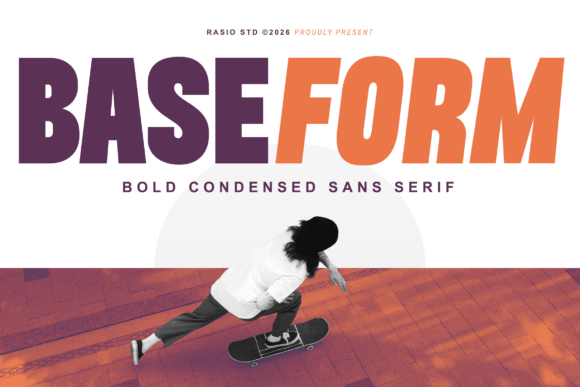
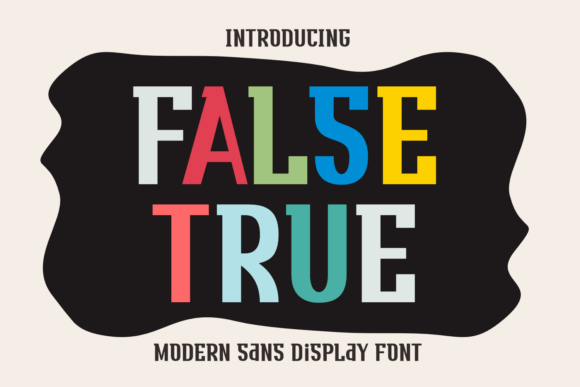
When evaluating False True, the first thing that strikes you is its tall, condensed all-caps letterforms. These aren’t just letters; they are architectural structures designed to command attention. In our recent branding exercise, I used this typeface for the primary logo mark of a creative studio identity. The goal was to create a visual hierarchy that felt established yet contemporary. Because False True is a sans serif font with such distinct character, it naturally pulls the eye. Unlike generic geometric fonts that can feel sterile, False True has a subtle tension in its proportions that suggests movement and boldness. When set large, it acts as both image and text, allowing designers to skip complex iconography in favor of typographic strength. For any freelancer or agency looking to inject personality into a logo system, this font provides an instant sense of authority and style.
False True for Packaging Design and Product Labels
One of the most challenging aspects of branding is ensuring legibility and impact at small scales, particularly on product labels. I took False True out of the digital realm and placed it on a printed mockup for a handmade shop’s candle line. The challenge here was fitting a brand name and key product details onto a narrow jar label. The condensed nature of the font proved to be a lifesaver. It allowed us to keep the headline large and impactful while maintaining enough white space to avoid a cluttered look. The sharp angles and clean lines of the glyphs cut through potential visual noise, making the brand name pop against textured paper stocks. Whether you are designing for a local restaurant menu board or a high-end skincare bottle, using False True ensures that your primary message is read instantly. It transforms standard packaging into a statement piece, leveraging its unique character to elevate perceived value.
False True in Web Design and Social Media Graphics
In the digital space, where attention spans are fleeting, grabbing a user’s eye within seconds is crucial. I integrated False True into a website header and a series of Instagram posts for a lifestyle blog. On the web, the font’s high contrast and strong verticality helped establish a clear visual hierarchy. It worked exceptionally well as a headline font, drawing visitors into the content below. However, it’s important to note that as a display font, it is not intended for body copy. Its condensed form factor makes long paragraphs difficult to read, which is a common pitfall for those new to typography. Instead, I paired it with a neutral, highly readable sans serif font for the body text. This combination created a balanced modern typography system: False True provided the attitude and flair, while the supporting font ensured accessibility and ease of reading. For social media graphics, the font’s bold weight translated beautifully to mobile screens, stopping the scroll with its distinctive shape.
Font Pairing Strategies with False True
A great font doesn’t exist in a vacuum; its success often depends on what it sits next to. When building a comprehensive brand identity, pairing False True requires a strategic approach. Because the font itself is so visually loud and graphic, it pairs best with understated, clean typefaces. I found that combining it with a classic serif font added a layer of sophistication, bridging the gap between mid-century retro vibes and contemporary elegance. Alternatively, pairing it with a simple sans serif font keeps the look strictly modern and minimal. Avoid pairing it with other display fonts or overly decorative script fonts, as this can create visual competition rather than harmony. The key is to let False True shine as the accent font or headline driver, while more subdued typefaces handle the informational heavy lifting. This balance ensures that your brand remains professional and recognizable without feeling chaotic.
Practical Considerations and Licensing for Commercial Use
Before integrating False True into any final client work, it is essential to review the included styles and file formats. Most premium font packages come with various weights and potentially alternates or ligatures that can add extra flair to your designs. Checking for multilingual support is also vital if your brand targets international audiences. Furthermore, always verify the commercial font licensing terms. Using a font in a personal hobby project is different from using it in a template sold online, a print-on-demand merchandise line, or a corporate brand identity. Ensuring you have the correct license protects both you and your client from legal issues. Testing the font across different mediums—screen, print, and embroidery—is also recommended to see how the ink traps and vector edges hold up. False True is a versatile tool in a designer’s arsenal, but like any powerful tool, it requires respect and proper application to deliver the best results.